
Ant Control in DFW: When to DIY and When to Call a Pro

Key Takeaways
Facing an ant infestation in your home requires understanding both the species involved and the limitations of quick fixes. These five points summarize the essential steps to restoring comfort in your living space:
- Identifying the specific species is the first step in successful management.
- Fire ants and common household ants require very different treatment strategies.
- Simple sanitization is necessary but often insufficient for large, established colonies.
- Professional extermination offers the best chance at long-term, comprehensive relief.
- Timing your treatments to match seasonal climate patterns increases their overall effectiveness.
Recognizing common ant species in the DFW area
In the Dallas-Fort Worth region, homeowners frequently encounter a variety of ant species that thrive in our unique climate. Distinguishing these invaders is critical because the wrong approach can sometimes cause a colony to split and spread. Whether you are dealing with aggressive fire ants or nuisance household sugar ants, accurate identification forms the foundation of a successful control plan.
Identifying fire ants versus native household ants
Fire ants are perhaps the most notorious pests in North Texas, known for their painful stings and massive, mounded nests. Unlike common household ants, such as odorous house ants or acrobat ants, fire ants are highly aggressive and typically establish colonies in open lawn areas. Native household ants are often more interested in scavenged crumbs than direct confrontation, preferring to nest behind baseboards rather than under large landscape mounts. For those seeking professional help with infestations, DFW Pest Pros connects homeowners to local, independent service providers who can correctly diagnose the species present, especially when dealing with fire ants that threaten outdoor spaces.
The impact of North Texas climate patterns on ant activity
The climate in North Texas plays a massive role in when ants become most visible. During hot, dry summer months, ants often migrate toward sources of moisture and food, leading them directly into your kitchen. Alternatively, heavy rainfall can saturate soil and force entire colonies to seek shelter within the crawl spaces or wall voids of a residence. These environmental shifts mean that proactive monitoring is just as important as any chemical application.
Early warning signs of an active infestation in your home
Finding a few wandering ants is often the first, subtle hint that a larger problem exists nearby. Observe patterns in where you see them: if you spot consistent trails running along baseboards or near plumbing fixtures, you are likely looking at a well-established foraging route. These indicators suggest that a scout has successfully returned to the nest to communicate a reliable resource, signaling that the time for intervention has arrived.
Assessing the severity of your ant problem
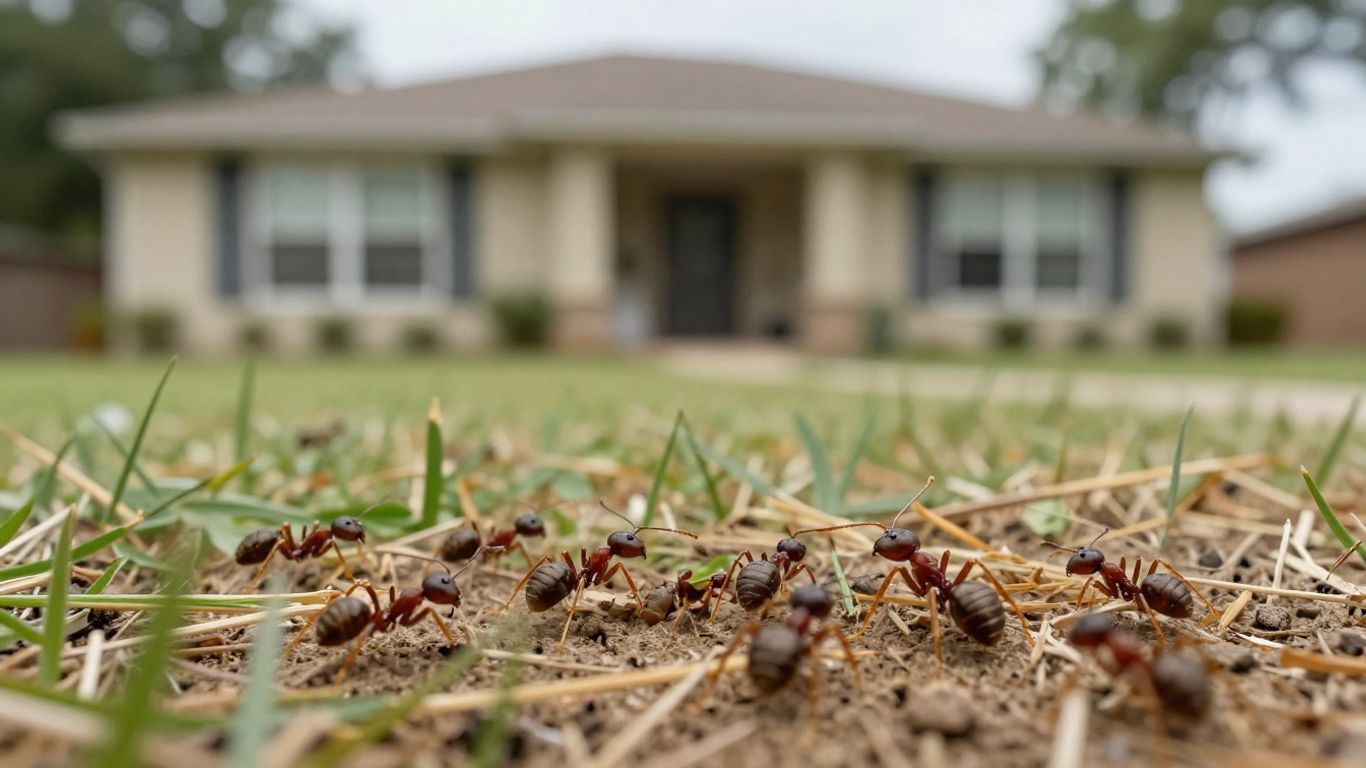
Determining whether you have a minor intrusion or a major colony requires a closer look at the volume and persistence of the pests. A few scouts might be managed easily, but a steady stream indicates that a primary nest has been established nearby. Before rushing for a store-bought solution, you must determine if the ants are merely foraging or if they are actively nesting within your structural walls.
Distinguishing between minor nuisances and major infestations
If you see a few ants once or twice in a week, you might be dealing with an occasional invader, whereas a constant presence suggests a breeding population. Major infestations typically show signs of multiple entry points and high density throughout the day and night. The following table highlights common indicators to watch for as you evaluate the level of risk within your home:
| Observation Factor | Minor Nuisance | Major Infestation |
|---|---|---|
| Frequency | Occasional sighting | Continuous daytime activity |
| Trail Formation | Weak, inconsistent trails | Strong, established pheromone pathways |
| Population Size | A few scattered individuals | Hundreds or thousands visible |
| Damage Presence | None visible | Structural signs or wood debris |
Distinguishing between these categories helps homeowners determine if localized maintenance or a full-scale professional treatment is required for their property.
Locating primary nesting sites versus foraging trails
Foraging trails are essentially highways for ants to transport food back to their home base. If you can follow these trails to their source, you might find loose mulch, rotting wood, or even pots where the colony is hiding. While most ants build nests outdoors, species that nest inside wall voids or near water pipes are far more difficult to reach without professional resources.
Evaluating health and structural risks associated with specific species
Different species pose different threats, particularly regarding structural integrity and hygiene. While some ants are simply unsightly, others can contaminate food supplies or damage insulation and wood. Assessing these risks requires an honest evaluation of where the activity is happening, as ants near your pantry require a faster, more effective response than those merely wandering in a garage.
When to try DIY ant control methods
DIY efforts can be effective for low-level issues if the right products and techniques are used. The key is recognizing that most off-the-shelf treatments are designed for surface-level contact and rarely reach the queen. Using these methods requires patience and a systematic approach to prevent simply scattering the ants and creating new issues.
Selecting effective baits and gels for localized control
Baits work differently than sprays because they target the colony's biology rather than just individual workers. By using slow-acting ingredients, you allow the worker ants to carry the poison back to the nest, which can eventually reduce the population of the colony. To effectively manage these issues on your own, consider these essential steps:
- Clear away competing food sources like crumbs or spills immediately.
- Apply gel baits in small, non-obvious spots along established pheromone trails.
- Replace baits regularly to ensure they remain moist and attractive to foraging workers.
- Monitor the bait spots for a few days to see if the activity decreases noticeably.
Following these steps consistently can make a meaningful difference for small, isolated colonies that have recently entered your home.
Implementing sanitation and sealing entry points to deter entry
Physical exclusion is the most underrated aspect of home pest management. By sealing gaps in your foundation, door frames, and around utility penetrations, you limit the pathways that ants use to enter. Combine this with strict sanitation, such as keeping trash bins lidded and food stored in airtight containers, to make your home significantly less attractive to foraging pests.
Limitations of over-the-counter sprays for colony elimination
Most consumer-grade sprays work as repellents, killing the ants you see but driving the rest of the colony deeper into the walls or elsewhere in your home. This "patchwork" approach often ends up making the infestation harder to track and control. When the situation escalates, DFW Pest Pros helps you find qualified service providers for professional solutions that target the nest directly.
Benefits of hiring a professional ant exterminator

Bringing in a professional for an ant exterminator job ensures that the underlying source of the problem is addressed, rather than just the temporary symptoms. Specialists have access to tools that simply are not available to the average homeowner, allowing for more precise targeting of the colony. This is particularly valuable given the complex social structures that many ant species use to survive.
Access to specialized, professional-grade insecticide treatments
Professional treatments often involve a mix of residual materials and baits that are applied to key exterior and interior junctures to create a protective barrier. Because these technicians understand the chemical composition needed for specific infestations, they provide a much higher level of precision than general-use retail products. This prevents the wasteful and ineffective use of chemicals that rarely penetrate deep enough to reach a queen.
Leveraging expert knowledge of colony communication and behavior
Technicians are trained to interpret the behavior of the ants, identifying whether they are foraging, nesting, or interacting with other home conditions. This insight allows them to adjust their strategies dynamically, avoiding methods that might trigger a "stress-induced" colony split, where the ants fragment their nests to survive. Coordinating with an expert through DFW Pest Pros ensures that you are matched with a provider who understands local pest behavior and knows exactly how to neutralize the threat efficiently.
Implementing comprehensive, long-term preventative maintenance plans
Beyond immediate elimination, the goal is to prevent future waves of activity. Many professional services provide seasonal monitoring as part of a larger, long-term plan, ensuring that if new trails appear, they are stopped before they escalate into an indoor problem. This consistent oversight is a proven way to improve home comfort throughout the year in the challenging Dallas-Fort Worth environment.
Strategic timing for effective pest management
Timing is often the difference between a quick visit from a technician and months of ongoing frustration. Understanding the life cycle and movement patterns of local ant populations allows you to act when they are most vulnerable. Planning treatments to align with these natural windows provides a much larger margin of success.
Managing seasonal spikes in ant activity throughout the DFW metroplex
In our region, spring and early fall are typically when ant colony activity reaches its peak. During these times, temperatures are moderate and food is abundant, stimulating reproduction and foraging across larger territories. Aligning your property's inspection schedule with these natural spikes can ensure that any developing threats are addressed long before they establish a foothold in your kitchen.
Coordinating treatments following heavy Texas rain events
Texas rain can unexpectedly saturate our backyards, naturally forcing ground-dwelling ants to relocate toward dryer structures. If you know a heavy storm is coming, it is wise to ensure your home is already sealed or protected by a barrier. Following a significant downpour, watch your home closely for signs of new activity, as this is the most common window for interior invasions.
Scheduling proactive applications before peak spring swarming
Spring swarming occurs when colonies send out winged reproductive ants to establish new homes. Anticipating this window allows you to apply preventative protections that stop these swarms from successfully finding a place to settle. Taking this action early is a highly effective way to keep your home clear of new, emerging colonies.
Criteria for choosing the right local pest control service
Selecting a partner for your home's protection should be done with care. You need someone who is not only familiar with the specific ant species of the DFW area but who also values clear communication and reliability. The right service provider acts as a partner in keeping your living space comfortable and secure for your family.
Verifying state licensing and insurance for Texas exterminators
Always ensure that any professional you allow into your home maintains the required state licensing and carry appropriate liability insurance. These certifications are a basic safeguard, ensuring that the work is being performed by someone who follows standard safety and efficacy protocols. You shouldn't hesitate to ask about their credentials if they aren't immediately apparent.
Evaluating service guarantees and follow-up visit policies
Effective pest control is rarely a one-time event, so look for companies that offer clear promises regarding follow-up support if the primary treatment takes longer than expected to work. A reputable provider stands by their results, providing you peace of mind that if you see continued activity, they will return to assess and refine the plan at no additional cost.
Reviewing local reputation and customer feedback in the Dallas-Fort Worth area
Before settling on a service, look for feedback that highlights reliability and professionalism. Whether through word-of-mouth or online, hearing about how others in the metroplex were treated is often the best indicator of service quality. Choose a company that shows a commitment to the region, as they will have the most familiarity with the specific challenges we face in our local climate.
Conclusion
Maintaining a pest-free home in the Dallas-Fort Worth metroplex is a perpetual effort that balances careful observation, proactive sanitation, and sometimes, the expertise of a professional service. By understanding how to spot the signs of an infestation early and knowing when to seek outside assistance, you protect your living space from the stress and damage caused by persistent ant colonies.
Frequently Asked Questions
How can I tell if I have a major ant infestation?
A major infestation is characterized by high, consistent activity levels throughout the home, multiple visible trails, and a sustained presence of workers or forage activity that does not diminish despite minor cleaning efforts.
Why do store-bought sprays often fail to solve the problem?
Most consumer sprays are localized-contact killers that drive a colony deeper into inaccessible areas, causing the colony to fragment and potentially resurge as soon as the chemical barrier fades.
Are fire ants a danger to my home structure?
While fire ants are mostly a danger due to their aggressive stings, they can also cause damage to electrical equipment and landscape infrastructure, which may indirectley impact the exterior components of your property.
Is it normal to see more ants after a heavy rain?
Yes, flooding from heavy rain forces colonies living in soil to seek higher, dryer ground, which often leads them directly into building wall voids and structural foundations.
How often should I have my home inspected for pests?
Scheduling a professional inspection annually is a standard, proactive practice, though homes in environments with higher pest pressure may benefit from quarterly visits to stay ahead of seasonal activity spikes.
Can I just use boiling water on the ant colony I found?
Boiling water might kill the ants you see, but it almost never reaches the queen or the eggs deep within the nest, meaning the colony will likely rebuild within a short period.
Does DFW Pest Pros perform the extermination work?
No, DFW Pest Pros serves as a routing service that connects you with independent, local third-party providers who have their own specialized teams and treatment protocols to address your specific pest issues.
Dealing with this pest in DFW?
Call to get connected with a local pest control provider across the Dallas–Fort Worth metroplex.