
Common DFW House Spiders and How to Keep Them Out
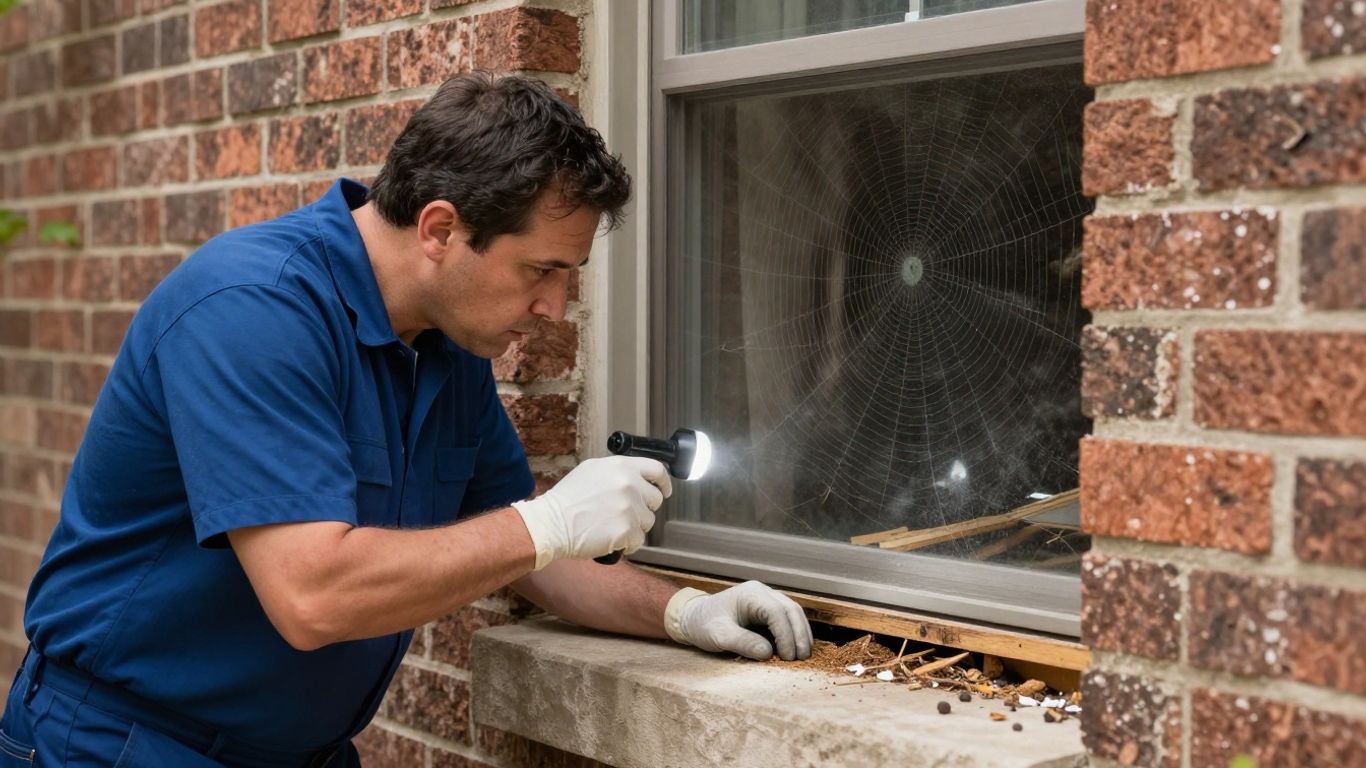
Key Takeaways
Identifying local spider species and understanding why they enter your home is the first step toward effective management. Use these insights to secure your property and maintain a pest-free living environment.
- Learn to identify common venomous species like the brown recluse and black widow.
- Understand that seasonal weather changes often drive spiders and their prey into residential structures.
- Seal gaps around windows, doors, and utility lines to prevent spider entry.
- Recognize when an infestation requires a professional assessment versus DIY mitigation.
- Contact a trusted routing service to connect with local experts who specialize in targeted pest treatments.
Understanding common spider species in DFW
Northern Texas is home to several spider species, ranging from harmless house dwellers to those requiring caution. Homeowners should learn to spot the differences early to decide whether a situation needs attention. Proper identification is vital for maintaining a safe residence, and resources like this brown recluse guide can help you verify if intruders are truly the venomous variety.
Identifying the brown recluse spider
The brown recluse is often characterized by a distinct violin-shaped pattern on its back and uniform tan coloration. They prefer quiet, undisturbed areas like storage boxes or closets, making them more common in older homes or seasonal storage areas.
Recognizing the southern black widow spider
The southern black widow is easily identified by its shiny black body and the signature red hourglass marking on the abdomen. These spiders typically spin irregular, messy webs in low-traffic, shaded spots such as eaves, woodpiles, or outdoor sheds.
Differentiating between house spiders and venomous species
Many common house spiders are simply hunting for insects and do not carry medical significance. However, being able to compare their physical traits and habitats allows you to determine when you should intervene.
| Spider Type | Key Identification Feature | Preferred Habitat |
|---|---|---|
| Brown Recluse | Violin marking | Dark, cluttered storage |
| Black Widow | Red hourglass | Exterior structures, eaves |
| Typical House Spider | Brown/gray mottled patterns | Corners, rafters, windowsills |
By keeping this chart in mind, you can quickly assess the level of risk within your home before deciding if a proactive safety measure or connection with a professional is necessary.
Why spiders invade homes in North Texas
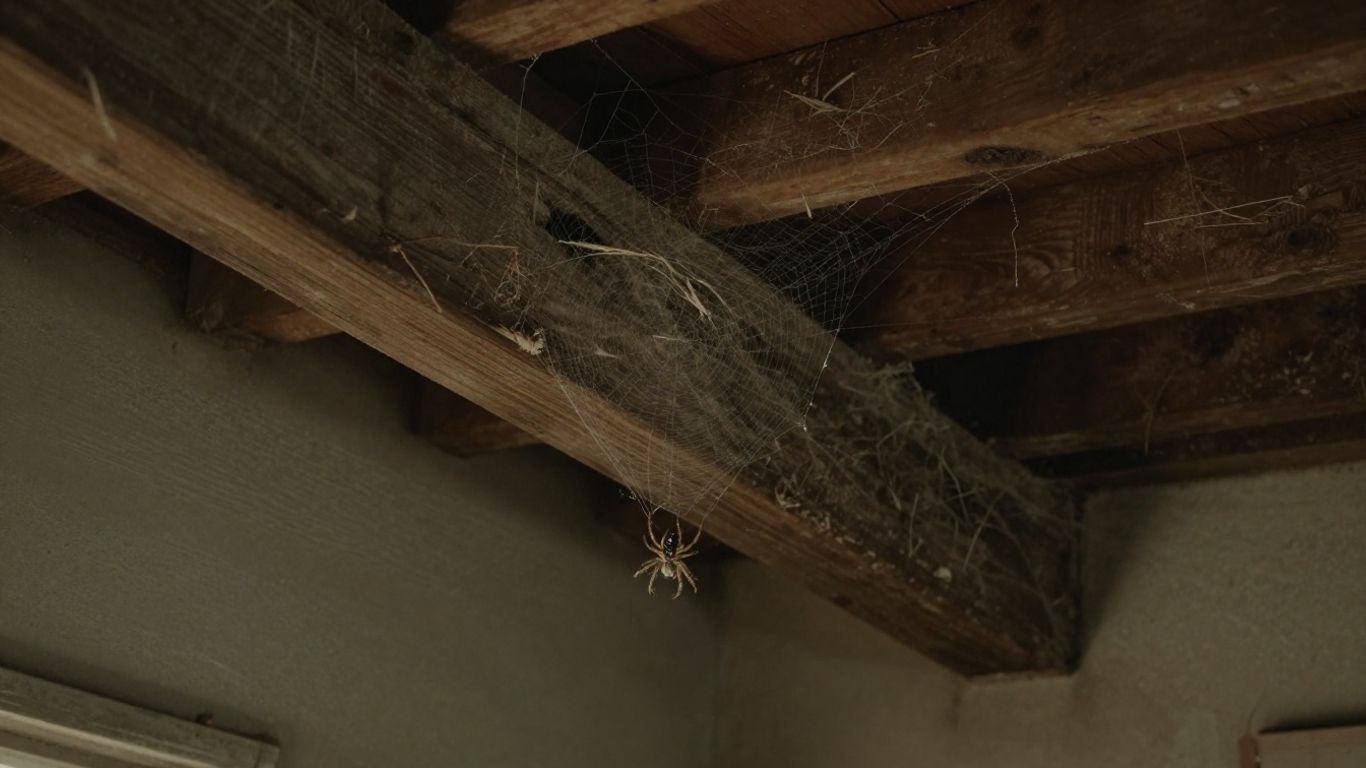
When seasonal shifts draw pests indoors, homeowners often find themselves struggling with infestations that originate from the exterior landscape. Extreme temperatures and heavy rainfall can force spiders, along with their food sources, to seek shelter inside your drywall, attics, and subfloors. Because DFW homes have many potential vulnerabilities, it remains helpful to monitor structural integrity, especially in older construction areas where gap issues might require a modern roof rat exclusion and sealing approach.
Seasonal climate impacts on pest activity
Texas weather patterns, with hot, dry summers and occasionally intense storm seasons, act as a catalyst for pest movement. As outdoor habitats become less hospitable, spiders naturally migrate toward climate-controlled environments that offer consistent temperatures.
Common entry points in residential structures
Spiders do not need much room to gain access to your home; tiny gaps at the foundation, door frames, and utility conduits are prime entryways. Often, the presence of structural gaps indicates that spiders are merely following larger pests or environmental changes into your living space.
Tracking food sources inside the home
Because most house spiders are predators, they often follow a trail of other pests that have successfully breached your home's defenses. If the local food supply is high, spiders will thrive and establish nesting sites in quiet, undisturbed corners of the home.
- Silverfish, which thrive in humid bathroom environments.
- Common household ants attracted to pantry spills.
- Roaches lurking in kitchens and utility areas.
- Flies caught near light sources or entry points.
Practical ways to seal your home against pests
Physical exclusion is the most underrated aspect of an effective pest strategy. By creating a literal barrier between your living space and the outdoors, you limit the opportunities for arachnids to establish a base. Taking the time to perform routine maintenance ensures that your home stays secure year-round without the need for constant chemical applications.
Inspecting window screens and door sweeps
Check every window screen for tiny holes that could permit passage and replace worn-out door sweeps. Gaps under exterior doors serve as primary highways for spiders seeking indoor moisture and protection.
Managing exterior vegetation and perimeter clutter
Tall grass, leaf piles, and lumber stacked against your home acts as a beacon for spiders. Keeping a clean buffer zone around the foundation helps discourage pests from crawling directly onto your siding to find entryways.
Minimizing outdoor lighting to reduce attractants
Bright porch lights act as beacons for various insects, creating a concentrated hunting ground for spiders. Replacing standard bulbs with yellow or low-wattage lighting can drastically decrease the concentration of insects near your doors.
When to hire a professional spider exterminator
If you find yourself searching for a reliable spider exterminator in your local neighborhood, it may be time to seek expert help through dedicated services. Relying on DFW Pest Pros to coordinate your response ensures you aren't left to guess which methods might be effective for your specific structural challenges.
Evaluating the severity of an infestation
An occasional sighting is common, but seeing spiders in multiple rooms on a daily basis suggests an underlying entry or population issue. When DIY efforts fail to curb the frequency of sightings, a professional inspection is required to identify the source.
Assessing the risks of venomous populations
While some spiders are merely a nuisance, identifying a cluster of medically significant pests like the brown recluse requires immediate action. Safety should always be the priority when dealing with species that cause reactions to their bites.
Understanding the limitations of over-the-counter sprays
Most retail products offer only temporary surface protection and fail to address the hidden cracks where spiders breed. Professional Orkin services are designed to reach these deeper harbors with technology that is not available to the average consumer.
Benefits of professional pest control services
Professional technicians possess the resources and experience to manage complex environments that DIY methods often miss. By leveraging DFW Pest Pros for your service connections, you gain access to technicians who understand the local ecosystem and deliver efficient results.
Utilizing safe and targeted treatment options
Local providers utilize science-based methods to apply treatments specifically where they are most effective. This precision minimizes the amount of product used while maximizing the protection for pets and children in the home.
Establishing long-term management and prevention plans
True pest control is a cycle, not a one-time event; a professional partner helps you build a schedule that aligns with seasonal trends to stop infestations before they begin. Through DFW Pest Pros, residents can establish a sustainable link with experts dedicated to year-round maintenance.
Expertise in identifying hidden nesting sites
Experienced technicians know exactly where spiders hide, including areas most homeowners never check during routine cleaning. This investigative skill allows them to eliminate the core of the problem rather than just managing the visible spiders.
Conclusion
Managing spiders in your DFW home does not have to be a source of constant stress or worry. By combining simple physical exclusion methods, routine maintenance of your home's exterior, and professional support when needed, you can maintain a comfortable living space. Taking proactive steps today prevents larger, more persistent infestations from gaining a foothold in your property.
Frequently Asked Questions
Do all house spiders bite humans?
Most house spiders are shy and will only bite if they feel directly threatened or trapped against a surface.
Can cleaning my garage help reduce spiders?
Yes, removing clutter and organizing storage boxes eliminates the dark, quiet environments that many spider species, including brown recluses, prefer.
Why do I see more spiders during the summer?
Increased outdoor temperatures and shifting insect populations often drive spiders to seek shelter in cooler, more stable environments like our homes.
Are outdoor treatments effective for indoor spiders?
Spraying outside is limited because many house-dwelling spider species live their entire lives indoors and do not migrate from the garden.
How often should I inspect my home's foundation?
You should inspect your foundation and utility entry points at least twice a year to ensure that caulk or seals have not cracked.
What should I do if I find a spider egg sac?
Carefully remove the egg sac, ideally by vacuuming it up, ensuring you dispose of the contents far away from the house to prevent hatchlings from returning.
Is it normal to have some spiders in the home?
In our region, it is quite common to encounter the occasional house spider, but large numbers often indicate they are find abundant food sources nearby.
Dealing with this pest in DFW?
Call to get connected with a local pest control provider across the Dallas–Fort Worth metroplex.