
Fleas in DFW Homes: Why They Keep Coming Back

Key Takeaways
Fleas in the Dallas-Fort Worth area are particularly persistent due to the region's specific climate conditions. Understanding their life cycle and the limitations of store-bought treatments is vital for effective home management.
- DFW's humidity and mild winters provide a nearly year-round breeding ground for fleas.
- Adult fleas found on pets represent only a small fraction of the total population inside the home.
- DIY solutions often fail because they lack the residual impact needed to break the egg and pupae cycle.
- Wildlife and common household pets act as primary vectors for bringing these pests indoors.
- Calling a professional service is the most reliable way to ensure full eradication and long-term protection.
The unique climate of the Dallas-Fort Worth metroplex
How DFW humidity and heat fuel flea reproduction
The Dallas-Fort Worth environment creates a perfect incubator for flea development. During high-humidity summer months, the metabolic rate of the flea increases significantly, allowing for rapid reproduction cycles that quickly overwhelm living spaces. By utilizing DFW Pest Pros, homeowners can receive fast routing to local, independent experts familiar with these specific regional pest pressures.
The role of mild winters in year-round flea viability
Unlike colder northern climates, DFW rarely experiences the deep, sustained freezes necessary to kill off flea populations naturally. This mild winter trend means that fleas remain active in sheltered zones, ensuring they are ready to proliferate as soon as temperatures climb in the early spring.
Navigating seasonal spikes in local pest activity
Residents often notice that flea activity mirrors local vegetation growth and pet movement patterns. As temperatures fluctuate, maintaining consistent control is essential to prevent a minor issue from becoming a massive headache.
Understanding the complex flea life cycle
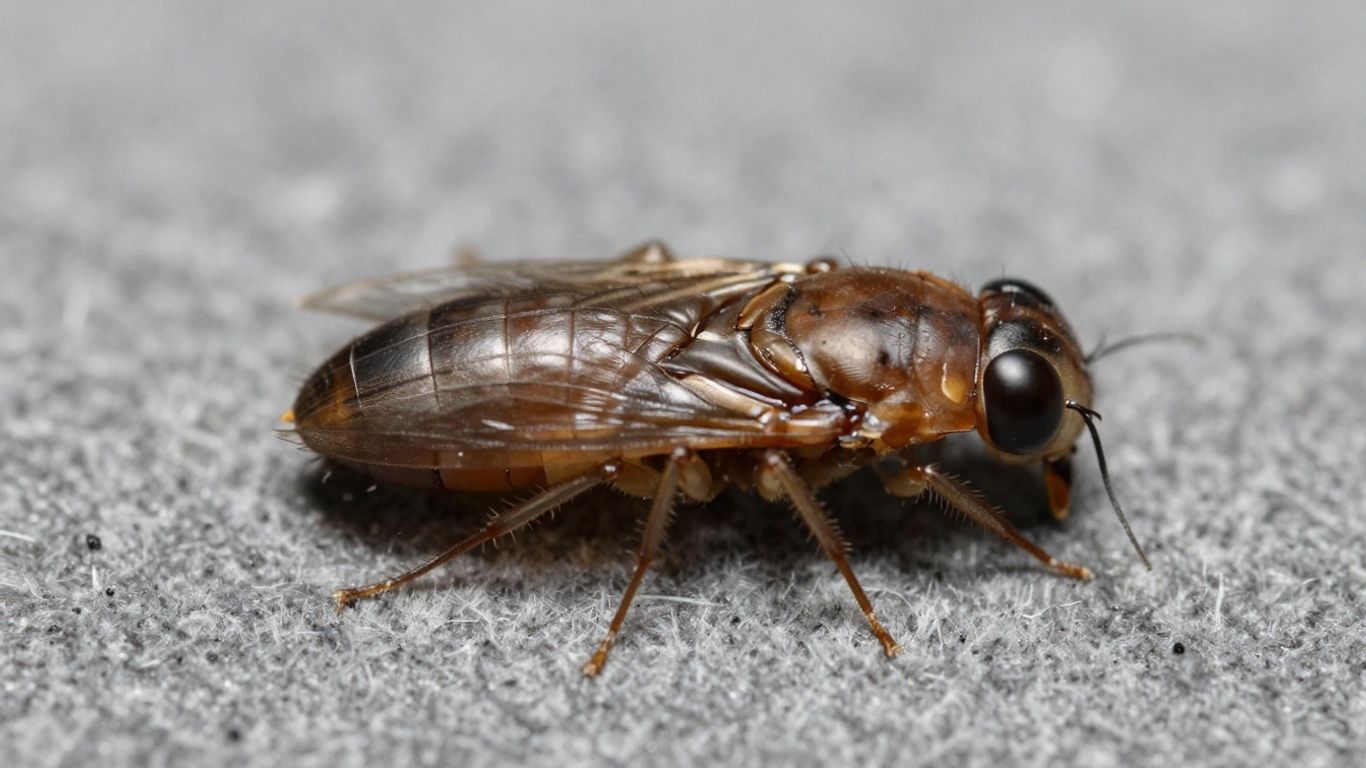
Why adult fleas are only the tip of the infestation iceberg
Most homeowners react only when they spot adult fleas jumping on their pets. However, the biting adults actually account for a tiny percentage of the total infestation. The rest of the population exists in various developmental stages hidden deep within the home's architecture.
Survival strategies of flea eggs within carpet and upholstery
Flea eggs are smooth and non-adhesive; they fall off the host pet onto flooring, deep within carpet fibers, and inside sofas. These eggs remain dormant until conditions are just right for hatching, making them nearly impossible to clear through basic vacuuming alone.
The pupae stage: Nature’s built-in resistance to DIY treatments
The pupae stage acts as the ultimate survival mechanism for the flea species, as they spin silken cocoons that are remarkably resistant to common household insecticides. Most over-the-counter products simply cannot penetrate these protective layers, allowing the pests to emerge weeks after the homeowner thinks they have cleared the infestation.
| Life Stage | Duration | Primary Vulnerability |
|---|---|---|
| Adult | Months | Regular insecticides |
| Larvae | Days to Weeks | Growth regulators |
| Pupae | Weeks to Months | Specialized heat pulses |
Interrupting the developmental pipeline with professional intervention
Professional exterminators utilize advanced methods to address every stage of the life cycle simultaneously. By applying residual treatments, they ensure that newly hatching fleas are neutralized before they can restart the breeding cycle, effectively breaking the infestation chain entirely through expert technical application.
Common culprits bringing fleas inside your home

Identifying local wildlife carriers in your backyard
Local wildlife like opossums and raccoons are frequent hosts for fleas in North Texas. These animals roam through suburban backyards, dropping flea eggs into grass and soil where they can be picked up by human footwear or roaming pets entering the home.
Pets as primary transport mechanisms for flea transfer
There is no denying that household pets are the main way fleas enter the living environment. As dogs and cats traverse through outdoor areas, they collect hitchhiking fleas that are then deposited anywhere the animal sleeps, plays, or rests.
How human clothing and footwear accidentally track activity indoors
Humans serve as inadvertent carriers as well, bringing fleas inside on pant legs and shoe soles after activities like gardening or walking in public parks. This hidden transfer process often explains why homes without pets can still experience sudden, localized outbreaks.
- Inspect pet bedding for small black specks regularly.
- Keep backyard grass trimmed to reduce shade and humidity.
- Vacuum all corner areas and under furniture.
- Use sealed plastic bins for storing household fabrics.
Following these steps helps limit the initial entry, but persistent activity often requires a dedicated professional to identify the exact source and stop the influx from your property exterior.
The hidden risks of incomplete DIY eradication
Common pitfalls in over-the-counter pest control products
Many consumers rely on store-bought sprays, but these items often lack the chemical longevity needed to kill populations that are still in the egg or pupae stages. Because flea exterminator services have access to stronger, more effective products, they can solve problems that basic store items cannot.
Why spot treatments often fail to address the root source
Using a spray solely on the area where a pet sleeps ignore the broader distribution of larvae throughout the room. Fleas are highly mobile and will quickly relocate to untreated areas within the house if the treatment does not cover the full environment.
Risks of developing pesticide resistance in local flea populations
Constant exposure to weak or incorrectly applied OTC pesticides can teach flea populations to survive future treatments. When sub-lethal doses are applied, the surviving fleas pass on resistant traits, making the local population much harder to remove over time.
Balancing chemical effectiveness with internal household safety
It is often difficult for the average person to find a balance between potent chemical application and interior safety. Professional services understand exactly how to apply materials to be effective against fleaswhile remaining safe for the occupants of the home.
When to hire a professional flea exterminator
Assessing the true scale of your indoor infestation
If you find yourself noticing bites on your ankles or if pets are scratching incessantly despite flea medication, the scale of the infestation is likely larger than it appears to the naked eye.
The long-term benefits of advanced, residual treatment methods
Professional-grade treatments provide a long-lasting barrier that keeps on working after the initial application. This residual effect ensures that any fleas emerging from hidden eggs or pupae encounter a treated surface immediately, putting an end to the cycle.
Scheduling multiple service visits to effectively break the reproductive cycle
Since flea reproduction is continuous, a single point-in-time treatment is rarely enough to claim victory. Professionals typically schedule follow-up visits to ensure that the development pipeline is fully disrupted until no new live adults appear.
Choosing a qualified flea exterminator in the DFW area
When looking for assistance, focus on companies that provide comprehensive diagnostics and a clear plan of action. Connecting with verified providers through reliable services ensures that you are matched with professionals who understand the regional pest dynamics of North Texas and have the tools for proper flea extermination.
Conclusion
Managing a flea infestation in the Dallas-Fort Worth metroplex requires a move away from hit-or-miss retail products and toward a strategic, multi-phase plan. By understanding how the region's climate and the flea’s complex life cycle work together, you can better appreciate why professional intervention is often the only pathway to a truly pest-free home. Reclaiming your space is entirely possible when you rely on expert equipment and scheduled treatments that prevent these persistent pests from staging a comeback.
Frequently Asked Questions
Why do my pets keep getting fleas even though I treat them?
If you are treating the pet but not the interior of the home or the yard, the pet will continue to pick up pests from the surrounding environment as soon as the medication's protection window narrows.
Can fleas live in furniture without a pet present?
Yes, fleas can survive for weeks in upholstery, carpets, and cracks in flooring waiting for the next warm-blooded host to pass by, even if your pet has been removed from the residence.
How long does a professional treatment take to work?
Most professional treatments show a significant reduction in active adults within the first few days, though a complete halt to the reproductive cycle may require two to three weeks of continued monitoring.
Should I wash all my bedding after a professional treatment?
It is highly recommended to wash all pet bedding and human linens in the hottest allowable water settings to destroy any eggs or larvae that might be lingering on fabric surfaces.
Why are flea bites often more noticeable on ankles and legs?
Fleas are ground-level movers and usually jump from carpets or grass onto the closest contact point, which is typically the human lower leg or ankle area.
Does vacuuming help remove the infestation?
Frequent vacuuming is a critical support task because it removes eggs, larvae, and pupae from your carpets, though it rarely eliminates the entire population on its own.
Can fleas cause health issues for my family?
Beyond the intense itching caused by painful bites, fleas can transmit tapeworms and result in secondary skin infections due to excessive scratching in both humans and domestic animals.
Dealing with this pest in DFW?
Call to get connected with a local pest control provider across the Dallas–Fort Worth metroplex.